Above Ground Pool Removal in West Linn OR Backyards
Most West Linn homeowners inherit an above ground pool rather than choose one. A previous owner installed it, the kids outgrew it, and now it sits in the backyard collecting algae and leaves while the pump runs up the electric bill. When you reach the point where removal makes more sense than another season of maintenance, the process is more straightforward than it looks from the outside — but it does require the right sequence of steps, the right equipment, and a crew that knows how to handle the metal framework without turning a half-day job into a full weekend project.
What the Removal Process Actually Involves
Above ground pool removal breaks down into three distinct phases: draining the water, dismantling the structure, and hauling everything off the property. Each phase has its own considerations, and skipping steps or rushing the sequence creates problems that slow down the rest of the job.
Draining comes first. A standard round pool in the 18-to-24-foot range holds anywhere from 10,000 to 14,000 gallons of water. That water has to go somewhere, and in West Linn, that means being mindful of where it drains. The Tualatin River watershed runs through this part of Clackamas County, and discharging heavily chlorinated or chemically treated water directly into storm drains or natural drainage channels is something to avoid. The right approach is to let the pool age out its chemicals before draining, or to use a dechlorinator, then run the discharge to a sanitary sewer cleanout or a permeable area of lawn where the ground can absorb it gradually.
Once the pool is empty, the liner comes out. Vinyl liners are cut into manageable sections and rolled up for disposal. They are not recyclable in most municipal programs, so they go to the landfill. The liner removal also exposes whatever is underneath — usually sand, foam padding, or a combination — and that base material needs to be cleared away before you can call the ground truly clean.
The frame itself is typically galvanized steel or aluminum. Uprights, top rails, and the bottom track all bolt or snap together, and a practiced crew can disassemble a standard pool frame in a few hours. The metal is recyclable, and reputable haulers will separate it from the liner and general debris rather than sending everything to the landfill together.
Why West Linn Yards Add Specific Challenges
West Linn backyards are not flat. The terrain here runs from gentle slopes near Willamette to steeper grades up toward Sunset Avenue and the ridge neighborhoods above Highway 43. If your pool was installed on a cut-and-fill pad or a built-up base, removal exposes that grading work — and you may find that the ground underneath needs re-leveling before you can use the space for anything else.
Access is the other consistent challenge. Many West Linn lots have narrow side yard gates, mature landscaping, and decks or fences that were built after the pool went in. Getting a pool out of a backyard that has grown around it over 15 years sometimes means temporarily removing a fence panel or carefully routing equipment through the landscaping. A crew that has done enough pool removals in this area knows to assess access before they start pulling anything apart.
Seasonal timing also matters. The Willamette Valley rainy season runs from October through April, and trying to dismantle a pool on a saturated lawn turns a clean job into a muddy one. Late spring through early fall is the practical window for above ground pool removal in West Linn, though a dry stretch in winter can work if the ground hasn't softened too much.
What Happens to the Space After the Pool Comes Out
This is usually the motivating question. Homeowners removing a pool are almost always replacing it with something — a patio, a garden, lawn, a play area, or simply open usable yard. The condition of the ground once the pool is gone determines how much additional work you need to do before that next step.
Sand bases compact over time and may leave a slight depression. Foam underlayment breaks down and can create uneven spots. If the pool sat in the same location for more than five or six years, the soil underneath is likely compacted and nutrient-depleted. For lawn restoration, you will want to till or loosen the base layer, amend the soil, and either seed or sod depending on the season and your patience.
For hardscape — a concrete patio or pavers — the existing base may actually be useful if it is level enough. A landscaper or contractor can assess whether the compacted base under a pool is a workable starting point for a patio or whether it needs to be dug out and replaced. Either way, having the pool debris fully cleared before that conversation happens makes the assessment cleaner and the estimate more accurate.
Comparing Full Removal to Partial Teardown
Some pool owners consider keeping the bottom structure in place and just removing the walls and liner, thinking it saves money or effort. In practice, this creates problems. The remaining frame and base materials continue to deteriorate underground, can create drainage issues, and complicate any future landscaping or construction. A complete teardown and haul-off leaves you with a clean slate rather than a buried problem.
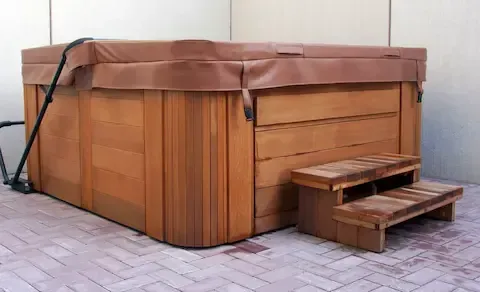
If your pool shares space with a hot tub or spa unit, those can often be removed in the same site visit. Hot Tub Removal involves similar logistics — draining, breaking down the cabinet and shell, and separating materials for disposal or recycling — and combining both jobs when the equipment is already on site is usually more efficient than scheduling two separate appointments.
Permits and Local Considerations in West Linn
Above ground pool removal in West Linn does not typically require a permit from the City of West Linn Community Development department. Pools under a certain size threshold and pools that are not permanent structures generally fall outside the permit requirement for removal. That said, if your pool has any attached electrical — a dedicated circuit for the pump or lighting — disconnecting that wiring safely is part of the job and may need to be handled by a licensed electrician before the structural teardown begins.
If you want to understand the full scope of water management before a pool removal, reading the draining walkthrough gives you a clear picture of how responsible water discharge works for larger backyard water features in this area.
Getting the Job Done Without Dragging It Out
The most common complaint about above ground pool removal is that it takes longer than expected when homeowners try to handle it themselves. The disassembly is manageable, but moving the liner, hauling the metal frame sections, and disposing of several cubic yards of material without a truck and trailer turns a one-day job into a multi-weekend project. Hiring a crew that arrives with the right equipment and handles everything from drain to haul-off in a single visit means the pool is gone, the yard is clear, and you can start planning what comes next without the debris sitting in your driveway for two weeks.
For West Linn homeowners ready to reclaim that backyard space, a full-service above ground pool removal is one of the more satisfying projects you can check off — the change to the yard is immediate and the usable space it opens up tends to be more versatile than the pool ever was.
