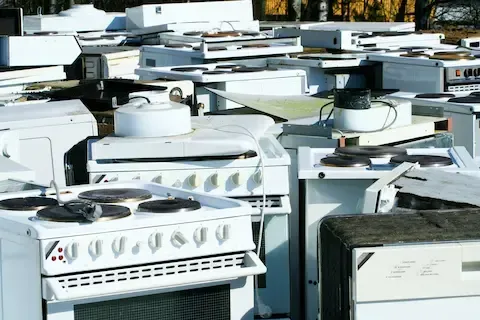
Appliance Removal and Recycling in West Linn Oregon
When your refrigerator stops cooling or your washing machine starts leaking across your laundry room floor, you face more than just the inconvenience of a broken appliance. You need a responsible way to remove these heavy, bulky items while ensuring their components don't harm the environment. West Linn residents deal with unique challenges when disposing of large appliances, from navigating steep driveways in neighborhoods like Robinwood and Barrington Heights to understanding Oregon's strict environmental regulations for appliance disposal.
Professional Appliance Removal services handle the entire process from disconnection to final recycling, but understanding your options helps you make informed decisions about cost, timing, and environmental impact. The complexity of modern appliances means proper disposal involves much more than simply hauling items to a landfill.
Types of Appliances Requiring Specialized Removal
Large kitchen appliances dominate most removal requests, with refrigerators and freezers requiring the most careful handling due to their refrigerant systems. These units contain chemicals that must be properly recovered before disposal, a process that requires EPA certification. Standard refrigerators weigh between 200-300 pounds, while commercial-grade units can exceed 400 pounds, making professional removal essential for safety reasons.
Washing machines and dryers present their own challenges, particularly front-loading washers that use concrete counterweights for stability. These weights can shift during transport, creating dangerous lifting conditions. Gas dryers require disconnection from gas lines, which many homeowners cannot safely perform themselves.
Kitchen ranges and cooktops vary significantly in removal complexity. Electric ranges typically weigh 150-250 pounds and require electrical disconnection, while gas ranges need both gas line disconnection and proper ventilation considerations. Induction cooktops and high-end commercial-style ranges often require specialized handling due to their value and weight distribution.
Dishwashers, garbage disposals, and built-in microwaves require careful disconnection from plumbing, electrical, and sometimes gas systems. These appliances often have custom installations that complicate removal, particularly in West Linn's older homes where original installations may not meet current code standards.
Environmental Regulations and Recycling Requirements
Oregon maintains some of the strictest appliance disposal regulations in the United States, driven by the state's commitment to environmental protection and waste reduction. The Oregon Department of Environmental Quality requires proper handling of refrigerants, oils, and other hazardous materials found in appliances.
Refrigerant recovery represents the most critical environmental consideration. Appliances containing CFCs, HCFCs, or HFCs must have these substances removed by EPA Section 608 certified technicians. Releasing these refrigerants into the atmosphere carries federal penalties up to $37,500 per violation. Professional removal services maintain these certifications and proper recovery equipment.
Metal recycling from appliances contributes significantly to environmental conservation. A typical refrigerator contains 75-100 pounds of steel and iron, plus aluminum, copper, and sometimes stainless steel components. Washing machines yield 150-200 pounds of recyclable metal. These materials command current market prices when properly processed, making recycling economically viable.
Foam insulation in refrigerators and freezers requires specialized handling due to potential ozone-depleting substances. Professional facilities use foam recovery systems to capture and destroy these materials safely, preventing their release into the environment.
The state-level requirements behind that are set out in Oregon appliance recycling rules for West Linn homes.
Professional Removal Process and Safety Considerations
Professional appliance removal begins with a thorough assessment of the appliance type, location, and access challenges. West Linn's hillside geography creates unique removal challenges, with many homes featuring steep driveways, multiple levels, and narrow doorways that complicate appliance extraction.
Disconnection procedures vary by appliance type and local code requirements. Refrigerators require defrosting time before removal, typically 24 hours for complete ice melting. Professional teams coordinate with homeowners to ensure proper preparation while maintaining food safety during the transition period.
Safety equipment and techniques protect both workers and property during removal. Appliance dollies, moving straps, and protective coverings prevent damage to floors, walls, and doorframes. Two-person teams handle most appliances safely, while particularly heavy or awkwardly shaped units may require three-person crews.
Transportation considerations include proper securing methods to prevent appliance shifting during transport. Refrigerators must remain upright or on their sides in specific orientations to prevent compressor damage. Professional removal services understand these requirements and have appropriate vehicle configurations.
Cost Factors and Service Options
Appliance removal costs depend on multiple factors including appliance type, accessibility, disconnection requirements, and disposal method. Standard refrigerator removal typically costs $75-150, while complex installations or difficult access situations can increase prices significantly.
Volume pricing benefits customers disposing of multiple appliances simultaneously. Kitchen remodel projects often involve removing several appliances, and bundled services provide cost savings over individual removal appointments. Some services offer flat-rate pricing for common appliance combinations.
Additional services can affect total cost but provide convenience and compliance benefits. Disconnection services ensure safe removal of gas, water, and electrical connections. Cleanup services handle any water or debris left behind after appliance removal. Some companies include basic floor protection as standard service.
Recycling credits occasionally offset removal costs when appliances contain valuable materials in good condition. Copper components, compressors, and certain metals maintain market value that professional recyclers pass along to customers in the form of reduced service fees.
Timing and Scheduling Considerations
Appliance removal timing affects both cost and convenience, particularly during peak moving seasons and holiday periods. Spring and summer months see increased demand as homeowners undertake renovation projects and appliance upgrades. Scheduling removal services 2-3 weeks in advance during these periods ensures availability.
Coordination with appliance delivery services requires careful timing to minimize gaps in essential services. Many removal companies offer same-day or next-day service for emergency situations like appliance failures that create health or safety hazards.
Preparation requirements vary by appliance type and can affect scheduling flexibility. Refrigerators need 24-hour defrosting time, while gas appliances require utility company coordination for safe disconnection. Professional services provide detailed preparation instructions to ensure smooth removal appointments.
Weather considerations impact removal scheduling, particularly for West Linn's wet winter months. Ice, snow, or heavy rain can create safety hazards for workers navigating steep driveways and outdoor stairs. Most professional services monitor weather conditions and may reschedule appointments for safety reasons.
Local West Linn Disposal and Recycling Options
West Linn residents have access to several appliance disposal options, each with different benefits and limitations. Metro transfer stations accept appliances with proper refrigerant removal, but homeowners must transport items themselves and provide certification of refrigerant recovery.
Local scrap metal dealers accept appliances but may not provide refrigerant recovery services. Customers must arrange separate refrigerant removal before delivering appliances to these facilities. Some dealers offer pickup services for large quantities of metal, making this option viable for contractors and property managers.
Utility company rebate programs occasionally include appliance pickup services as part of energy efficiency initiatives. Portland General Electric and Pacific Power sometimes offer refrigerator recycling programs with cash incentives for qualifying customers. These programs typically have specific model year and condition requirements.
Donation options exist for working appliances, though transportation and preparation requirements limit this option's practicality. Habitat for Humanity ReStores accept appliances in working condition, but customers must deliver items and meet specific cleanliness and functionality standards.
Special Considerations for Different Appliance Types
Refrigerator and freezer removal involves the most complex environmental considerations due to refrigerant systems and foam insulation. Professional removal ensures compliance with EPA regulations while maximizing material recovery. Vintage refrigerators from the 1950s-1970s may contain particularly harmful refrigerants requiring specialized handling.
Washing machine removal complications arise from water connections and potential mold or mildew issues in older units. Front-loading washers require special attention to door seals and internal water retention. Professional services inspect for leaks and structural damage that might affect safe removal.
Range and oven removal varies dramatically between electric and gas units. Gas ranges require professional disconnection to ensure safety and code compliance. High-end ranges with heavy construction or specialized installations may require additional labor and equipment.
Small appliance considerations include microwave ovens with potential transformer oil, dehumidifiers with refrigerant systems, and wine coolers combining both refrigeration and specialized construction. These appliances often surprise homeowners with their disposal complexity despite their smaller size.
Choosing the Right Removal Service
Credential verification ensures proper handling and environmental compliance. Look for EPA Section 608 certification for refrigerant handling, proper licensing and insurance coverage, and membership in professional organizations like the National Association of Demolition Contractors.
Service area coverage affects availability and pricing, particularly for West Linn's outlying neighborhoods. Companies specializing in the Portland metro area understand local geography and access challenges better than national franchise operations.
Equipment and vehicle capabilities determine what appliances a service can handle safely. Companies with hydraulic lift gates, professional moving equipment, and appropriate vehicle sizes provide safer, more efficient service than those using pickup trucks and basic hand tools.
For comprehensive appliance removal that combines professional expertise with environmental responsibility, consider our garage cleanout overview to understand how appliance removal fits into larger property clearing projects. This integrated approach often provides better value and coordination for customers dealing with multiple disposal needs.
Environmental commitment and recycling partnerships indicate a company's dedication to responsible disposal practices. Services that work with certified recycling facilities and provide documentation of proper disposal offer peace of mind beyond simple hauling services.
