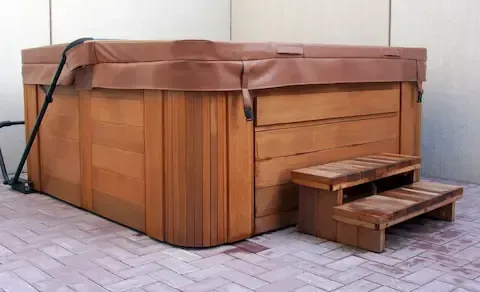
Hot Tub Removal and Disposal in West Linn OR Backyards
Removing a hot tub from your West Linn backyard involves more than simply dragging it to the curb. These large fixtures require systematic disassembly, proper drainage, and specialized hauling equipment to extract them safely from decks, patios, or ground-level installations. Whether your spa has reached the end of its useful life, suffered damage beyond repair, or you're renovating your outdoor space, professional removal ensures the job gets completed without damage to surrounding landscaping or structures.
Hot Tub Removal Process and Methods
Professional hot tub removal begins with completely draining the unit using submersible pumps or gravity drainage systems. The electrical connections require disconnection by licensed electricians to meet Oregon safety codes. After power disconnection, the removal team assesses whether the spa can be moved intact or requires disassembly for safe extraction.
Most hot tubs installed on elevated decks or in tight spaces need cutting into manageable sections. Industrial reciprocating saws and circular saws slice through acrylic shells, fiberglass reinforcement, and foam insulation. The wooden cabinet components separate from the shell assembly, reducing the overall weight and bulk for easier handling through narrow gates or around landscaping obstacles.
Removal crews protect surrounding surfaces with heavy-duty tarps and moving blankets. Deck railings, siding, and nearby plants receive temporary shielding to prevent scratches or damage during the extraction process. Professional teams bring dollies, straps, and lifting equipment to maneuver heavy components without requiring excessive manual lifting that could cause injury.
Drainage and Environmental Considerations
Hot tub water contains chemicals, sanitizers, and dissolved minerals that require proper disposal according to Oregon environmental regulations. Simply draining chlorinated or brominated water onto grass or storm drains violates state water quality standards and can harm local vegetation or waterways feeding into the Willamette River.
Professional removal services neutralize the water chemistry before drainage or pump the contents into appropriate disposal containers. The drainage process typically takes 2-4 hours depending on the spa capacity, which ranges from 300 gallons for compact models to over 500 gallons for large entertainment spas popular in West Linn's luxury homes.
Foam insulation and cabinet materials often contain materials that require separation at recycling facilities. The acrylic shell components can sometimes be recycled, while wooden cabinet parts may be processed for biomass or construction waste streams. Metal components like pumps, heaters, and hardware get sorted for scrap metal recycling.
Deck and Patio Removal Challenges
Hot tubs installed on elevated decks present unique removal challenges due to weight distribution and access limitations. Standard spa installations on decks require structural reinforcement to support the filled weight, which can exceed 4,000 pounds for larger models. During removal, teams must carefully distribute the remaining weight to prevent deck damage or collapse.
Narrow stairways, low overhangs, and limited turning radius around deck corners often necessitate complete disassembly on-site. Removal crews work systematically, cutting the shell into sections small enough to navigate through tight spaces without damaging railings, posts, or adjacent structures. This process requires more time than ground-level extractions but prevents costly repairs to deck components.
Sunken or built-in spas require excavation around the perimeter to access lifting points and cutting areas. The surrounding decking or patio materials may need partial removal to create adequate working space. Professional teams coordinate these steps to minimize damage to permanent installations while ensuring safe extraction of the spa components.
Common Hot Tub Disposal Mistakes
Many homeowners underestimate the complexity of hot tub removal and attempt DIY extraction that results in property damage or personal injury. Cutting into the shell without proper drainage often floods the surrounding area, creating mud and potential water damage to nearby structures. Improper lifting techniques or inadequate equipment leads to back injuries or dropped components that damage decking or landscaping.
Attempting to move intact spas without professional equipment frequently results in structural damage to the unit, making it impossible to donate or resell. The awkward shape and weight distribution of hot tubs requires specialized dollies and multiple operators to navigate stairs, gates, or narrow passages safely.
Improper disposal of spa components violates local waste management regulations. Many disposal facilities require separation of different materials, and some components contain materials that cannot be processed through standard waste streams. Professional removal services understand these requirements and ensure compliance with West Linn's waste disposal ordinances.
West Linn Area Considerations
West Linn's hillside lots and mature landscaping create unique challenges for hot tub removal projects. Many properties feature steep driveways, narrow access routes, and established trees that limit equipment placement and maneuvering space. Professional removal teams familiar with the area understand these constraints and plan accordingly to minimize disruption to neighboring properties.
The city's building codes and permit requirements may apply to hot tub installations that required electrical or structural modifications. Removal projects sometimes uncover code violations or unpermitted work that needs addressing during the extraction process. Working with licensed removal services ensures compliance with local regulations throughout the project.
West Linn's proximity to the Willamette River and Tualatin River systems makes proper chemical disposal particularly important. Local environmental regulations strictly control runoff and drainage to protect water quality in these sensitive watersheds. Professional services understand these requirements and incorporate appropriate disposal methods into their removal procedures.
Seasonal weather patterns in the West Linn area affect removal scheduling and methods. Winter months bring increased rainfall that can complicate drainage procedures and create muddy conditions around outdoor installations. Summer months offer better working conditions but require scheduling around peak demand periods for outdoor renovation projects.
Professional Removal Service Benefits
Licensed Hot Tub Removal services provide comprehensive solutions that handle every aspect of spa extraction and disposal. Professional teams arrive with appropriate tools, equipment, and vehicles to complete the project efficiently without requiring homeowner assistance or tool rental. This approach eliminates the risk of injury or property damage associated with DIY removal attempts.
Established removal companies maintain relationships with recycling facilities and disposal sites that accept hot tub components. They understand the sorting requirements and disposal fees for different materials, ensuring proper handling while minimizing environmental impact. This knowledge saves homeowners time researching disposal options and potentially making multiple trips to different facilities.
Professional services typically include site cleanup as part of their removal package. Teams sweep up debris, collect small parts and hardware, and remove protective materials used during the extraction process. This comprehensive approach leaves the area ready for new installations or landscaping projects without requiring additional cleanup efforts.
Many removal services offer scheduling flexibility to accommodate homeowner preferences and project timelines. Same-day or next-day service availability helps coordinate removal with other renovation activities or addresses emergency situations like storm damage or mechanical failures that make the spa unusable.
Cost Factors and Planning Considerations
Hot tub removal costs vary based on factors including spa size, installation type, access difficulty, and disposal requirements. Ground-level installations typically cost less than deck-mounted or sunken spas that require additional labor and equipment. The need for electrical disconnection, extensive cutting, or special disposal handling increases the overall project cost.
Planning removal projects during off-peak seasons often results in better scheduling availability and potentially lower costs. Coordinating removal with other renovation activities can provide cost efficiencies, particularly if the project involves deck reconstruction or landscaping changes that would affect access routes anyway.
Obtaining multiple quotes from licensed removal services helps ensure competitive pricing while comparing service inclusions. Some companies charge separately for electrical disconnection, disposal fees, or additional cleanup, while others provide comprehensive pricing that covers all aspects of the removal process. Understanding what each quote includes prevents unexpected charges during project completion.
Consider the potential value of spa components before committing to full disposal. Some removal services can identify parts with resale value, such as pumps, control systems, or cabinet materials in good condition. This assessment might offset removal costs or provide options for partial dismantling that preserves valuable components while disposing of damaged sections.
Replacement and Site Preparation
Hot tub removal often precedes installation of replacement spas or alternative outdoor amenities. Professional removal services can coordinate with installation contractors to ensure proper site preparation and timing. This coordination prevents scheduling conflicts and ensures the area remains accessible for new equipment delivery and installation.
Removal projects sometimes reveal underlying issues with electrical systems, plumbing connections, or structural support that need addressing before new installations. Identifying these issues during removal allows for proper planning and budgeting of necessary repairs or upgrades. Professional removal teams can often provide referrals to qualified contractors familiar with spa installation requirements.
Site restoration following hot tub removal may require deck repairs, concrete patching, or landscaping restoration. Many homeowners find this an ideal time for broader outdoor renovation projects since the area already requires some restoration work. Planning these improvements during removal helps minimize disruption and coordinate material deliveries efficiently.
For projects involving extensive outdoor renovations, scheduling hot tub removal early in the process provides maximum flexibility for other contractors and activities. This approach also allows time for proper site assessment and planning of new installations without rushing decisions or compromising quality. Professional removal services can provide guidance on timing and coordination with other renovation activities to optimize the overall project flow.
Whether you're dealing with a damaged spa, planning outdoor renovations, or simply ready to reclaim your backyard space, professional hot tub removal ensures the job gets completed safely and efficiently. For comprehensive property cleanouts that might include additional items beyond just the spa, consider our hoarding cleanup overview for situations requiring extensive debris removal and organization services.
